


Workflow Police Have Entered the Chat
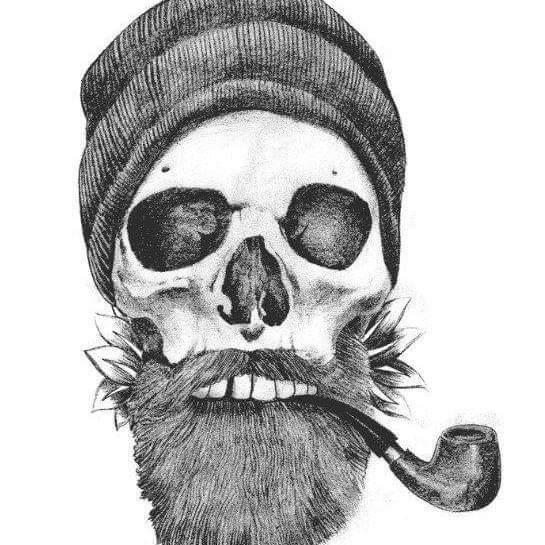
Over the past few days, I've been working on a death metal album cover for a band inspired by the Prodigal Son. It features torn clothes, a dark sky, and the son walking through ruins to get home while creepy things emerge from the shadows. You know, cool visuals.
While working on texture repaints and adjusting the light on the father figure in the distance, I stumbled upon comments regarding the new Jungle Rot "Cruel Face of War" album artwork. The discussion had very little to do with composition, symbolism, mood, or emotional impact. The conversation circled around a familiar accusation.
“That’s AI.”
It wasn't, and the band ended up posting the artist's time-lapse video of him digitally drawing and then coloring the album art.

Years ago people would accusatively say, “That’s Photoshop.” Before that they dismissed digital painting itself as artificial. Entire generations of artists heard their work reduced to software instead of vision. The tools changed, yet suspicion remained.
Art culture now moves through an era obsessed with process verification. Artists post time-lapse videos like forensic evidence presented before a jury. Every sketch becomes proof of labor and every layer becomes proof of legitimacy. The internet transformed creativity into a courtroom drama where strangers demand chain-of-custody records for imagination itself.
I understand why some people feel unsettled. We live inside an age flooded with synthetic imagery, algorithmic noise, and manufactured identity. People want reassurance that a living human soul still stands behind the work.
Still, the deeper truth lies elsewhere. An artist doesn't owe strangers a blood test to prove their humanity. The work itself already carries those fingerprints, and requiring creators to constantly prove themselves is getting on my last nerve.

Comments